
Moisture Assessment
Visible water rarely tells the entire story. Moisture meters help identify damp drywall, subflooring, trim, and other materials so the drying plan addresses affected areas rather than surface conditions alone.
Serving Greensboro, North Carolina & surrounding areas
Get a clear path from water damage to recovery. Practical help for Greensboro homes includes moisture assessment, water removal, structural drying, cleanup, and a clear restoration plan.
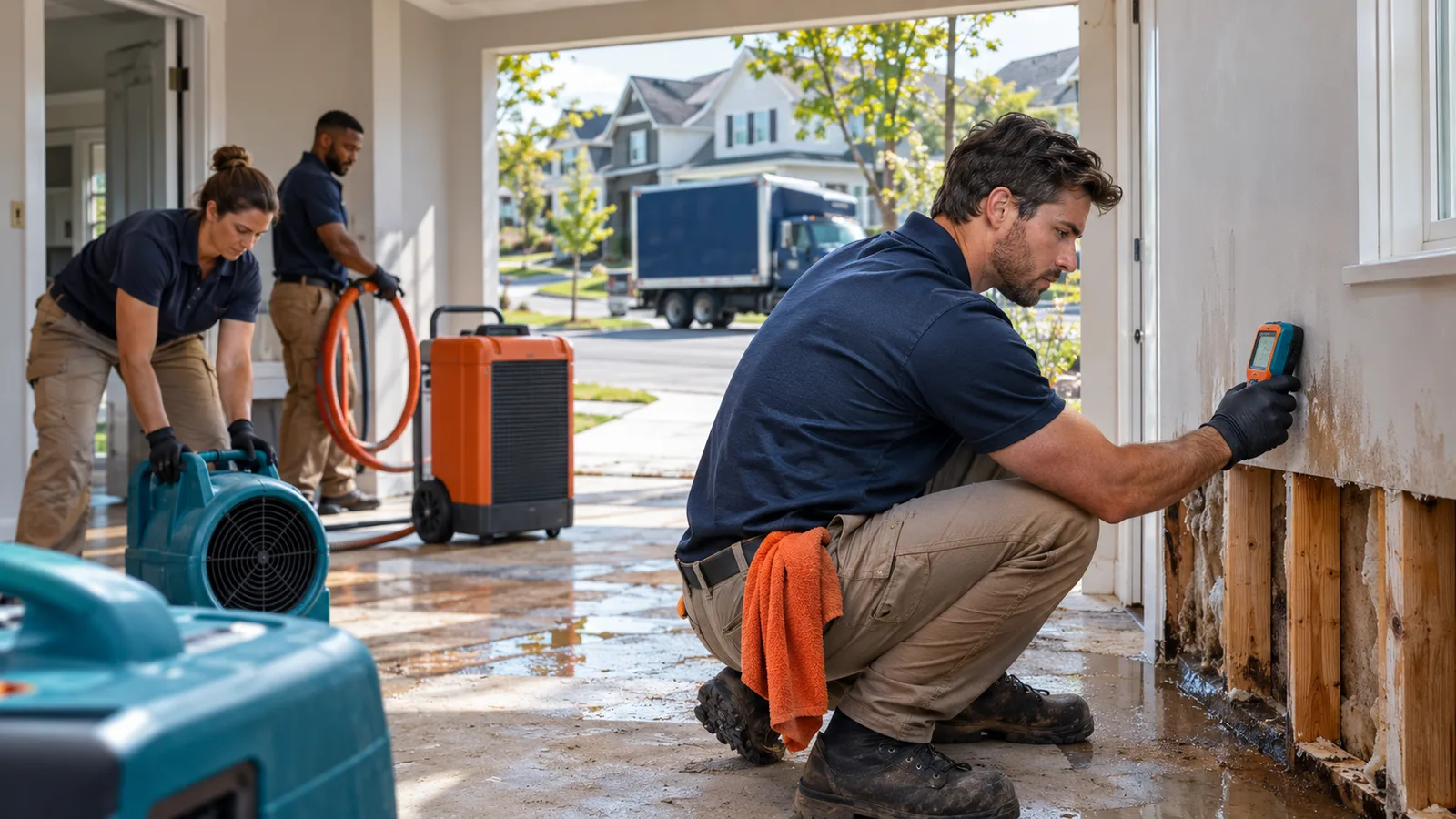
Restoration Greensboro NC work starts with finding the extent of the damage, including moisture that has moved beneath flooring, behind baseboards, or into wall cavities. Water Damage Restoration Greensboro NC evaluates affected materials, removes standing water when present, and places professional drying equipment according to conditions in the property.
Fast action matters because wet drywall, insulation, wood, and floor coverings can deteriorate while hidden moisture spreads. The restoration plan may include extraction, selective removal of materials that cannot be saved, air movement, dehumidification, cleaning, and repeated moisture checks. The goal is to dry the structure thoroughly and prepare affected rooms for the repairs needed to return them to use.
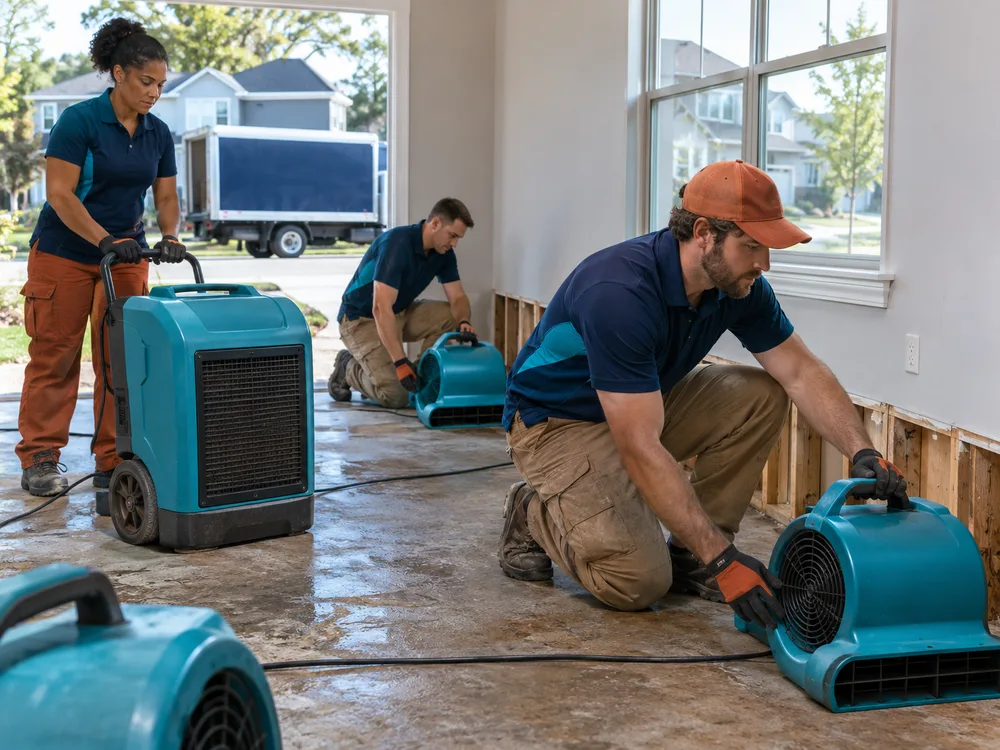
Water extraction, moisture assessment, structural drying, and cleanup for homes affected by leaks, plumbing failures, appliance problems, or indoor flooding.
Visible water rarely tells the entire story. Moisture meters help identify damp drywall, subflooring, trim, and other materials so the drying plan addresses affected areas rather than surface conditions alone.
Removing standing water reduces the amount that building materials must release during drying. Extraction may include accessible flooring and other affected surfaces, depending on the source, depth, and condition of the water.
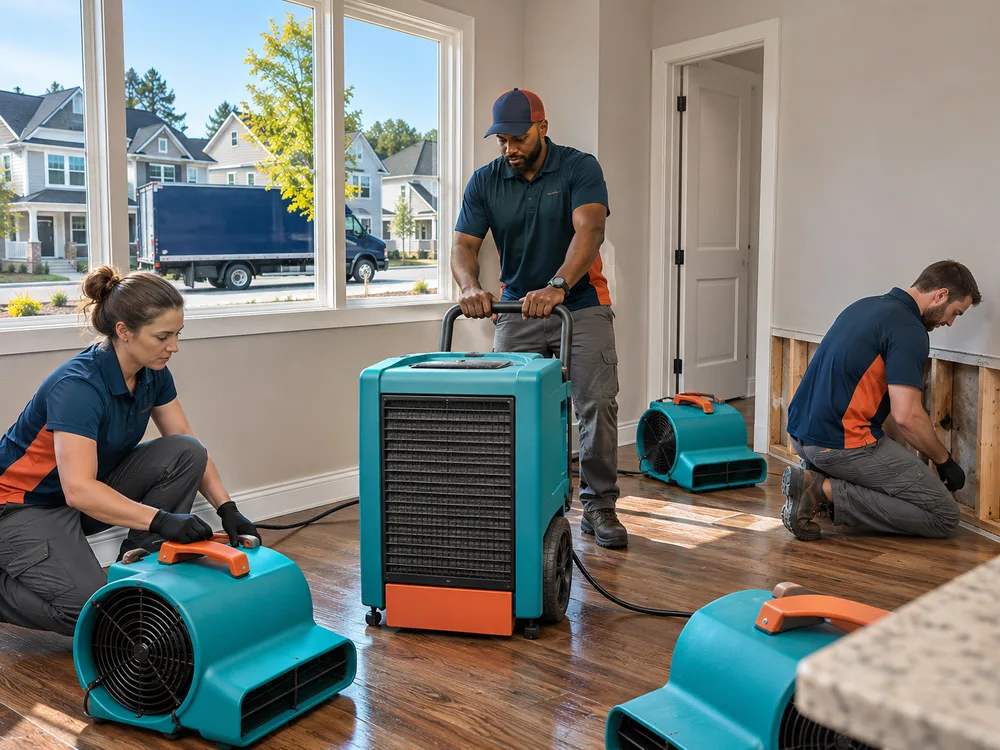
Air movers support evaporation while dehumidifiers collect moisture from the air. Equipment placement and ongoing readings help determine whether walls, floors, and framing are progressing toward an appropriate dry condition.
Some materials can be dried and cleaned, while others may need controlled removal. Decisions depend on contamination, deterioration, water exposure, accessibility, and whether the material can be dried effectively in place.
A useful restoration scope identifies affected rooms, recommended removal, drying needs, and the likely path to repairs. Property owners can understand what happens next before the recovery work moves forward.
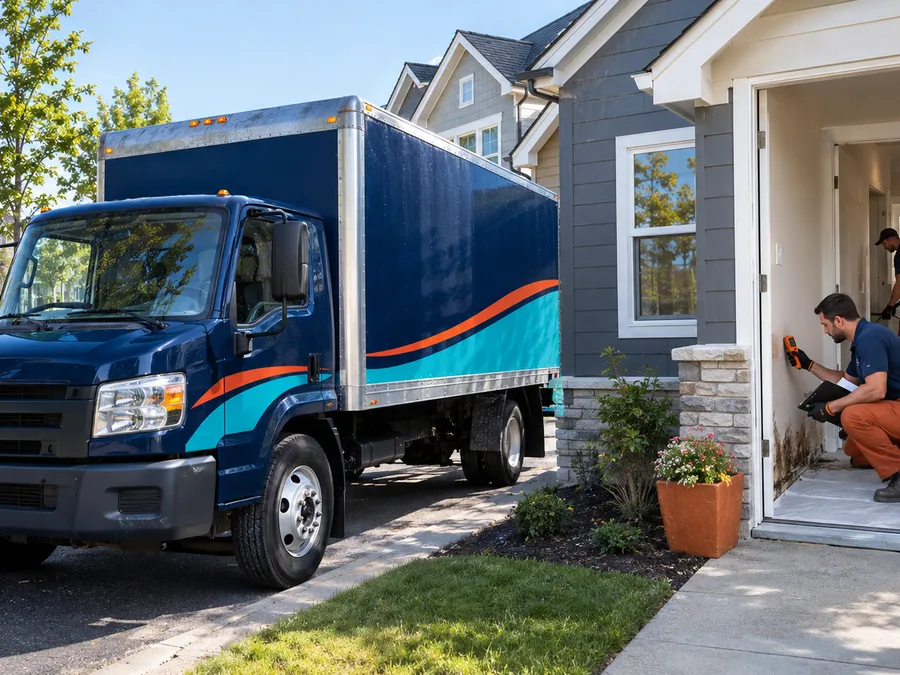
Water Damage Restoration Greensboro NC provides property restoration services in Greensboro, North Carolina.
The company focuses on the practical work required after indoor water damage: assessing affected areas, removing water, drying structural materials, cleaning the work area, and identifying what may require repair or replacement. Customers receive an explanation based on conditions found at the property rather than assumptions made from visible staining alone.
Careful documentation matters during restoration. Moisture readings, affected-material observations, and the work scope provide a record of the conditions and the drying approach. This gives homeowners a clearer basis for discussing repairs and, when applicable, communicating with an insurance carrier.
Water damage restoration in Greensboro typically costs about $1,200 to $5,000 for a contained residential loss. Limited extraction and drying may cost $500 to $1,500, while extensive water migration, demolition, or contamination can raise the total above $7,500.
Final pricing depends on the water source, affected square footage, material removal, equipment needs, drying time, access, and required cleaning. Repairs such as new drywall or flooring may be priced separately. The exact cost is confirmed after an on-site inspection defines the work scope.
The initial inspection identifies the apparent water source, rooms involved, material conditions, access concerns, and signs that moisture has traveled beyond the visible damage.
Moisture readings help map wet materials and establish a baseline. This can reveal water beneath finished surfaces or in adjoining areas that appear dry.
Standing water is removed where accessible. Materials that cannot be cleaned or dried effectively may be taken out to expose wet assemblies and support drying.
Air movers and dehumidifiers are placed according to site conditions. Equipment may be adjusted as evaporation, humidity, and material readings change.
Follow-up readings help determine when the drying phase is complete. The remaining repair needs can then be defined based on the materials that were removed or damaged.
Address water intrusion before moisture travels farther through floors, walls, and adjoining rooms.
Request Emergency ServiceWater Damage Restoration Greensboro NC works throughout Greensboro, including established neighborhoods with varied home ages, foundations, plumbing systems, and interior materials.
Historic homes and mature building materials can require careful moisture mapping around wood floors, plaster walls, trim, and concealed wall cavities after a leak.
Larger homes with multiple bathrooms, finished living areas, and extensive flooring can allow water to spread well beyond the room where damage begins.
Older houses and established renovations may contain layered flooring or enclosed wall assemblies that require targeted readings before drying decisions are made.
Residential properties with attached garages, utility rooms, and multiple plumbing fixtures can experience water migration into adjoining walls, floors, and storage areas.
Finished rooms, hardwood flooring, and built-in cabinetry can require prompt extraction and controlled drying to limit swelling and damage to adjacent materials.
Larger floor plans and finished lower-level areas can increase the drying area when plumbing leaks or appliance failures reach connected rooms.


Practical answers about scheduling, inspections, drying decisions, insurance documentation, and the recovery scope.
Scheduling depends on current demand, property access, and the extent of the reported damage. Active leaks should first be stopped when it is safe to do so, and the initial visit can then assess extraction and drying needs.
Provide the property location, the suspected water source, when the damage was noticed, which rooms are affected, and whether standing water remains. Mention electrical concerns, sewage, sagging ceilings, or unsafe access before anyone enters the area.
Some wet materials can be dried, but the decision depends on contamination, deterioration, construction, and how deeply water has penetrated. Moisture readings and a physical inspection are needed before deciding whether drywall, wood, or flooring should remain.
You can report the loss promptly, but urgent steps may still be needed to prevent additional damage. Keep photos, invoices, and work records, and ask your carrier about coverage, deductibles, required documentation, and contractor selection.
Restoration commonly begins with extraction, removal of unsalvageable materials, cleaning, and structural drying. Reconstruction may be a separate phase, so the written scope should state whether drywall, paint, flooring, cabinetry, or other finish repairs are included.
Service is available for residential properties across Greensboro, including Fisher Park, Irving Park, Lindley Park, Starmount Forest, and Lake Jeanette. The necessary work is based on the water source, affected materials, and conditions found during inspection.
Describe what happened and where the water traveled. The next step is an assessment of affected materials, drying needs, cleanup requirements, and the likely path to repair.